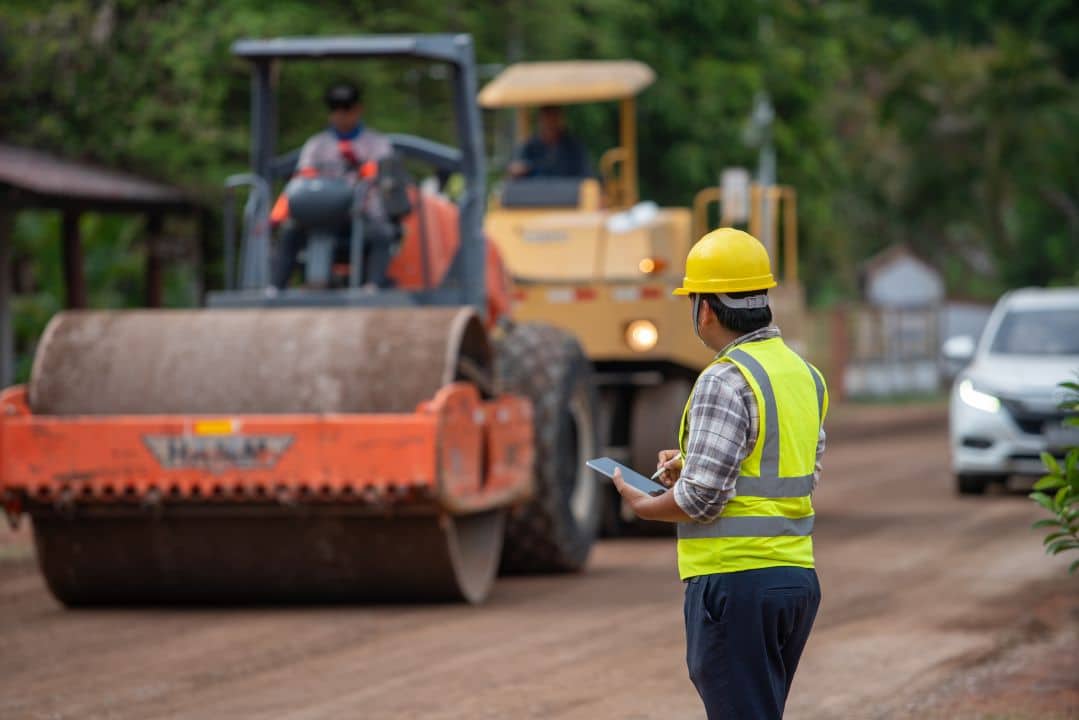
The construction industry faces unprecedented workforce challenges as experienced workers retire, younger generations pursue different career paths, and complex projects demand increasingly sophisticated skills. Integrating workforce development and training programs directly into construction projects provides a strategic solution that addresses labor shortages while building sustainable pipelines of skilled workers who can support long-term industry growth.
Workforce development integration transforms construction projects from simple building activities into comprehensive training platforms that develop human capital alongside physical infrastructure. This approach creates mutually beneficial relationships between contractors, workers, educational institutions, and communities that extend far beyond individual project timelines to support ongoing industry workforce needs.
Modern construction projects increasingly require coordination with workforce development organizations, educational institutions, and community partners to meet contract requirements, achieve diversity goals, and access available funding and incentives. Understanding how to structure and manage these partnerships enables contractors to leverage additional resources while building stronger community relationships that support future business development.
The most successful contractors recognize that workforce development integration requires systematic planning, dedicated resources, and long-term commitment that extends beyond immediate project needs. However, the benefits of effective workforce development programs include access to motivated workers, enhanced company reputation, stronger community relationships, and sustainable competitive advantages that justify the required investment.

Understanding Workforce Development Program Types and Structures
Effective workforce development integration requires understanding the various program types and organizational structures that can be incorporated into construction projects. Each program type offers different benefits, requirements, and implementation approaches that must be matched to project needs and available resources.
Apprenticeship programs represent the most comprehensive workforce development approach, combining classroom instruction with hands-on work experience under the supervision of experienced craftspeople. These programs typically last multiple years and provide participants with industry-recognized credentials that support long-term career advancement and higher earning potential.
Pre-apprenticeship programs serve as preparation pathways for individuals who may not be ready for full apprenticeship programs due to educational background, work experience, or other factors. These shorter-term programs provide basic construction skills, safety training, and workplace readiness preparation that helps participants qualify for apprenticeship or direct employment opportunities.
Skills training programs focus on specific construction trades or techniques that can be completed in weeks or months rather than years. These programs provide targeted training for particular project needs while offering participants marketable skills that support immediate employment opportunities.
On-the-job training programs integrate learning activities directly into construction work processes, allowing workers to develop skills while contributing to project completion. These programs require experienced supervisors who can provide instruction while maintaining productivity and safety standards.
Youth development programs engage high school students, recent graduates, and young adults in construction career exploration and skill development activities. These programs often include summer employment, internships, and career pathway counseling that help young people understand construction career opportunities.
Adult retraining programs serve individuals transitioning from other industries or returning to the workforce after extended absences. These programs often require modified approaches that address different learning needs while building on existing life and work experience.
Specialized population programs focus on specific groups such as veterans, formerly incarcerated individuals, or residents of economically disadvantaged communities. These programs often include supportive services and wraparound assistance that address barriers to employment while building construction skills.

Building Partnerships with Educational Institutions and Training Organizations
Successful workforce development integration requires building strong partnerships with educational institutions and training organizations that can provide instruction, credentialing, and ongoing support for program participants. These partnerships must be carefully structured to ensure mutual benefit while meeting the specific needs of construction projects and participants.
Community colleges represent ideal partners for construction workforce development because they typically offer established construction programs, experienced instructors, and flexible scheduling that can accommodate project requirements. These institutions often have existing relationships with industry employers and can provide recognized credentials that support participant career advancement.
Trade schools and technical institutes specialize in construction and related trades training, offering focused curricula and hands-on learning facilities that align closely with industry needs. These institutions often have strong industry connections and job placement services that support participant employment outcomes.
Union training centers provide comprehensive apprenticeship and journeyman development programs that combine classroom instruction with standardized skill assessments. Partnerships with union training centers can provide access to highly skilled instructors and established training curricula while supporting labor relations objectives.
Workforce development boards coordinate federal and state employment and training programs that can provide funding, participant recruitment, and support services for construction workforce development initiatives. These organizations often have established relationships with employers and can help navigate regulatory requirements.
High school career and technical education programs provide opportunities to engage younger students in construction career exploration while building relationships with secondary education systems. These partnerships can create pathways that channel students into post-secondary construction programs and industry employment.
University engineering and construction management programs can provide opportunities for collaboration on research, internships, and career development activities that benefit both students and construction projects. These partnerships often generate positive publicity while supporting industry advancement.
Non-profit workforce development organizations focus on serving specific populations or communities and often provide wraparound services that address employment barriers. These partnerships can help construction projects meet diversity requirements while accessing dedicated funding and support services.

Designing Training Programs That Meet Project and Participant Needs
Effective workforce development programs require careful design that balances project labor needs with participant learning objectives and career goals. Program design must consider skill requirements, timing constraints, safety considerations, and long-term sustainability to ensure successful outcomes for all stakeholders.
Competency-based training approaches focus on specific skills and knowledge that participants must demonstrate to advance through program levels. This approach ensures that training directly relates to job requirements while providing clear advancement pathways that motivate participant engagement and completion.
Modular program structures allow participants to complete training in discrete segments that align with project phases and personal schedules. This flexibility accommodates different learning paces while enabling participants to gain employment before completing entire programs.
Progressive skill development sequences build from basic construction knowledge to advanced trade-specific skills through carefully planned progressions. These sequences ensure that participants develop solid foundations while advancing toward specialized expertise that supports career growth.
Safety-integrated training embeds safety instruction throughout all program activities rather than treating safety as a separate topic. This approach ensures that safety becomes an integral part of skill development while meeting regulatory requirements and industry best practices.
Hands-on learning emphasis prioritizes practical skill development through direct work experience on actual construction tasks. This approach helps participants understand how classroom concepts apply to real work situations while contributing to project completion.
Mentorship and supervision systems pair program participants with experienced workers who provide ongoing instruction, feedback, and career guidance. These relationships often extend beyond formal program periods to support long-term career development and industry retention.
Assessment and credentialing procedures ensure that participants receive recognized documentation of their skills and achievements. This credentialing supports career advancement while providing employers with reliable indicators of worker capabilities.

Implementing Apprenticeship and Pre-Apprenticeship Programs
Apprenticeship and pre-apprenticeship programs represent the most comprehensive approach to workforce development integration, requiring sophisticated planning and management systems that balance educational objectives with project production requirements.
Apprenticeship program structure typically includes both classroom instruction and on-the-job training components that must be carefully coordinated to ensure participants receive required instruction hours while contributing meaningfully to project work. This coordination requires advance planning and dedicated supervision resources.
Pre-apprenticeship program design should prepare participants for successful transition into full apprenticeship programs while providing immediate value to construction projects. These programs often focus on basic construction skills, safety training, and workplace readiness that enables participants to contribute productively while continuing their education.
Instructor and mentor selection requires identifying experienced craftspeople who can effectively teach skills while maintaining productivity and safety standards. These individuals often require additional training in instruction techniques and program administration to be effective in dual roles.
Classroom facility planning must ensure access to appropriate learning environments that can accommodate instruction schedules while minimizing disruption to construction operations. Mobile classrooms, community college partnerships, or dedicated on-site facilities may be required depending on project scope and location.
Progress tracking and documentation systems must monitor participant advancement through required competency levels while maintaining records that support credentialing and regulatory compliance. These systems often require coordination between multiple organizations and compliance with various reporting requirements.
Equipment and material coordination ensures that training activities have access to necessary tools, materials, and work areas without interfering with production operations. This coordination requires advance planning and ongoing communication between training supervisors and project management.
Graduation and placement services help program completers transition to permanent employment opportunities while maintaining connections that support long-term career development. These services often require partnerships with multiple employers and ongoing relationship management.
Creating Pathways for Career Advancement and Long-Term Development
Sustainable workforce development programs must provide clear pathways for career advancement that extend beyond individual construction projects to support long-term industry workforce development. These pathways require coordination with multiple stakeholders and ongoing commitment to participant success.
Career ladder development creates structured progressions from entry-level positions through advanced technical and supervisory roles. These progressions should include clear requirements, milestone achievements, and advancement opportunities that motivate continued participation and skill development.
Continuing education partnerships with educational institutions provide opportunities for workers to advance their formal education while maintaining employment. These partnerships often include flexible scheduling, work-relevant curricula, and employer support that makes continued education feasible for working adults.
Professional certification preparation helps workers obtain industry-recognized credentials that support career advancement and higher earning potential. This preparation often includes specialized training, examination preparation, and ongoing professional development that maintains certification requirements.
Leadership and supervisory training prepares experienced workers for advancement into management roles while building organizational capacity for future workforce development initiatives. This training often includes project management, communication skills, and business knowledge that supports career transitions.
Entrepreneurship and small business development programs help experienced workers develop capabilities for starting their own construction businesses. These programs often include business planning, financial management, and regulatory compliance training that supports successful business development.
Industry networking and professional development opportunities help workers build relationships and knowledge that support long-term career success. These opportunities often include conference attendance, professional association membership, and mentorship relationships with industry leaders.
Alumni networks and ongoing support systems maintain connections with program graduates while providing resources for continued career development. These networks often provide job placement assistance, continuing education opportunities, and professional networking that benefits both individuals and the broader industry.
Leveraging Funding Sources and Financial Incentives
Workforce development programs can access various funding sources and financial incentives that reduce program costs while providing additional resources for participant support and program enhancement. Understanding and accessing these resources requires sophisticated grant writing and program administration capabilities.
Federal workforce development funding through programs like the Workforce Innovation and Opportunity Act provides resources for training, supportive services, and program administration. These funds often have specific requirements for participant eligibility, program outcomes, and reporting that must be carefully managed.
State and local workforce development grants often focus on specific industries, populations, or geographic areas and can provide significant funding for construction workforce development programs. These grants often require matching funds or in-kind contributions that construction projects can provide through training opportunities and supervision.
Industry-specific training grants from construction industry organizations, equipment manufacturers, and trade associations can provide specialized funding for particular skills or technologies. These grants often include equipment donations, curriculum development, and instructor training that enhance program quality.
Tax incentives and credits for apprenticeship and training activities can provide significant financial benefits for construction companies that invest in workforce development. These incentives often require documentation of training activities and participant outcomes that must be carefully tracked and reported.
Economic development incentives often include workforce development requirements that construction projects can meet through integrated training programs. These requirements can provide access to tax abatements, grants, or other financial benefits that offset program costs.
Corporate social responsibility funding from major corporations and foundations often supports workforce development initiatives that address community needs and economic development objectives. These funding sources often require detailed proposals and outcome measurement that demonstrate community impact.
Public-private partnership opportunities can leverage government resources with private sector expertise and funding to create comprehensive workforce development programs. These partnerships often provide access to facilities, equipment, and expertise that individual organizations could not provide independently.
Measuring Success and Program Evaluation
Effective workforce development programs require comprehensive evaluation systems that measure success across multiple dimensions including participant outcomes, project benefits, and long-term industry impact. These evaluation systems provide accountability while identifying opportunities for program improvement and expansion.
Participant outcome tracking measures completion rates, job placement success, wage advancement, and long-term career progression for program participants. This tracking often requires ongoing contact with participants and coordination with employers to gather employment and advancement data.
Project impact assessment evaluates how workforce development programs affect construction project outcomes including productivity, quality, safety, and schedule performance. This assessment helps demonstrate program value while identifying opportunities for improvement in program design and implementation.
Employer satisfaction measurement gathers feedback from construction companies about program participant performance, skill levels, and overall program effectiveness. This feedback helps identify areas for curriculum improvement while building employer support for continued program participation.
Community impact evaluation assesses how workforce development programs affect local communities including employment rates, economic development, and quality of life improvements. This evaluation often requires coordination with community organizations and government agencies to gather relevant data.
Return on investment analysis calculates the financial benefits of workforce development programs including reduced recruitment costs, improved productivity, and access to funding and incentives. This analysis helps justify continued program investment while identifying opportunities for cost reduction and efficiency improvement.
Long-term industry impact assessment evaluates how workforce development programs contribute to overall industry workforce capacity, skill levels, and career pathway development. This assessment often requires coordination with industry associations and government agencies to gather industry-wide data.
Continuous improvement processes use evaluation results to refine program design, improve implementation approaches, and expand successful program elements. These processes often include stakeholder feedback sessions, best practice research, and pilot testing of new approaches that enhance program effectiveness.
Workforce development integration in construction projects represents a strategic investment in both immediate project success and long-term industry sustainability. The most effective programs require comprehensive planning, strong partnerships, dedicated resources, and ongoing commitment that extends beyond individual project timelines. However, the benefits of successful workforce development integration include access to skilled workers, enhanced company reputation, stronger community relationships, and sustainable competitive advantages that support long-term business success while contributing to industry workforce capacity and community economic development.