Large-scale development projects face increasing scrutiny from community members, advocacy groups, and local officials who demand meaningful involvement in planning processes that affect their neighborhoods and quality of life. Successfully building community buy-in requires sophisticated engagement strategies that go far beyond traditional public notification requirements to create genuine collaboration between developers and community stakeholders.
The complexity of modern development projects, combined with heightened community awareness and environmental concerns, means that developers must invest significant time and resources in community engagement activities that begin early in the planning process and continue throughout project development. Failing to build adequate community support can result in costly delays, design modifications, legal challenges, and ultimately project cancellation.
Community opposition to development projects often stems from legitimate concerns about traffic impacts, environmental effects, infrastructure capacity, and neighborhood character changes that residents fear will negatively affect their property values and quality of life. Addressing these concerns proactively through transparent communication and collaborative problem-solving creates opportunities to build support while identifying solutions that benefit both the development and the surrounding community.
The most successful developers recognize that community engagement is not just a regulatory hurdle to overcome but a strategic investment that can improve project outcomes, reduce long-term risks, and create lasting relationships that support future development activities. Effective community engagement transforms potential adversaries into project advocates who can help navigate regulatory processes and build political support for development approvals.
Understanding Community Stakeholder Groups and Their Concerns
Successful community engagement requires identifying and understanding the diverse stakeholder groups that may be affected by or interested in large-scale development projects. Each stakeholder group brings different perspectives, concerns, and influence levels that must be addressed through tailored engagement strategies and communication approaches.
Immediate neighbors and adjacent property owners typically have the most direct concerns about development impacts and often possess the strongest motivation to engage in project discussions. These stakeholders worry about construction noise, traffic increases, privacy impacts, and property value effects that directly affect their daily lives and financial interests.
Neighborhood associations and homeowner groups represent broader community interests and often serve as organized voices for resident concerns. These organizations frequently have established communication channels, regular meeting schedules, and relationships with local officials that can significantly influence project outcomes and public perception.
Local business owners and commercial property operators may support or oppose development projects depending on how they perceive potential impacts on customer access, competition, and business operations. Understanding business community concerns and identifying opportunities for mutual benefit helps build important stakeholder support.
Environmental advocacy groups focus on ecological impacts, sustainability issues, and conservation concerns that may affect project design and approval processes. Engaging these groups early provides opportunities to address environmental issues proactively while demonstrating commitment to responsible development practices.
Transportation and infrastructure advocates worry about traffic impacts, parking availability, and strain on existing infrastructure systems. These concerns often require technical analysis and coordination with public agencies to develop solutions that address capacity issues while supporting project viability.
School districts and educational institutions may be affected by development projects that change enrollment patterns, generate traffic near schools, or impact educational funding through property tax changes. Understanding educational stakeholder concerns helps identify opportunities to support community educational goals while advancing development objectives.
Local officials including city council members, planning commissioners, and municipal staff serve as both stakeholders and decision-makers who must balance competing interests while ensuring compliance with regulatory requirements. Building relationships with local officials requires understanding their political considerations and policy priorities.
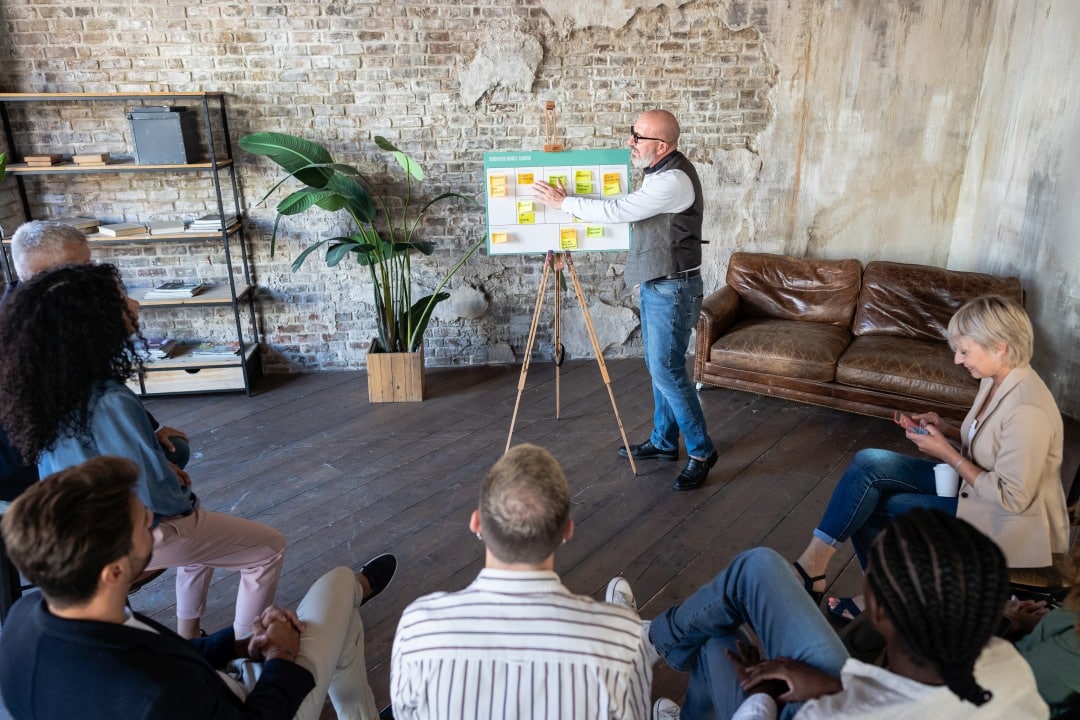
[Image URL: https://elements.envato.com/group-attending-neighborhood-meeting-in-community–8M74FUD
Image Title: Community Stakeholder Group Meeting and Neighborhood Engagement
Alt Text: Diverse community stakeholder groups attending neighborhood meeting for development project discussion
Caption: Understanding diverse community stakeholder groups and their specific concerns is essential for building effective engagement strategies and addressing legitimate community interests.]
Early Engagement Strategies and Stakeholder Outreach
Effective community engagement begins during initial project planning phases, well before formal development applications are submitted or public hearings are scheduled. Early engagement provides opportunities to gather community input that can influence project design while building relationships that support later approval processes.
Informal neighborhood meetings and coffee shop conversations provide low-pressure opportunities for developers to introduce themselves and their projects while listening to community concerns and suggestions. These informal interactions often provide valuable insights that may not emerge during formal public meetings or hearings.
Door-to-door outreach to immediate neighbors demonstrates respect for community members while providing opportunities for personal relationship building that can prevent misunderstandings and rumors from developing. Personal contact allows developers to address specific concerns while gathering detailed feedback about potential impacts and mitigation strategies.
Community leader engagement through meetings with neighborhood association officers, business group leaders, and influential residents helps identify key stakeholders and communication channels that can reach broader community audiences. Building relationships with community leaders creates opportunities for these individuals to become project advocates and information resources.
Stakeholder mapping and influence analysis helps developers understand community power structures, communication networks, and decision-making processes that may affect project outcomes. This analysis enables targeted engagement strategies that focus resources on the most influential stakeholders and effective communication channels.
Survey research and community polling can provide quantitative data about community attitudes, priorities, and concerns that complement qualitative feedback from meetings and conversations. Understanding broader community sentiment helps developers gauge support levels while identifying issues that require attention.
Focus group discussions with representative community members provide opportunities for in-depth exploration of specific concerns and potential solutions. These structured conversations often reveal underlying issues and generate creative ideas that may not emerge through other engagement methods.
Advisory committee formation brings together diverse community representatives to provide ongoing input throughout the development process. These committees create formal mechanisms for community involvement while building stakeholder investment in project success.
Transparent Communication and Information Sharing
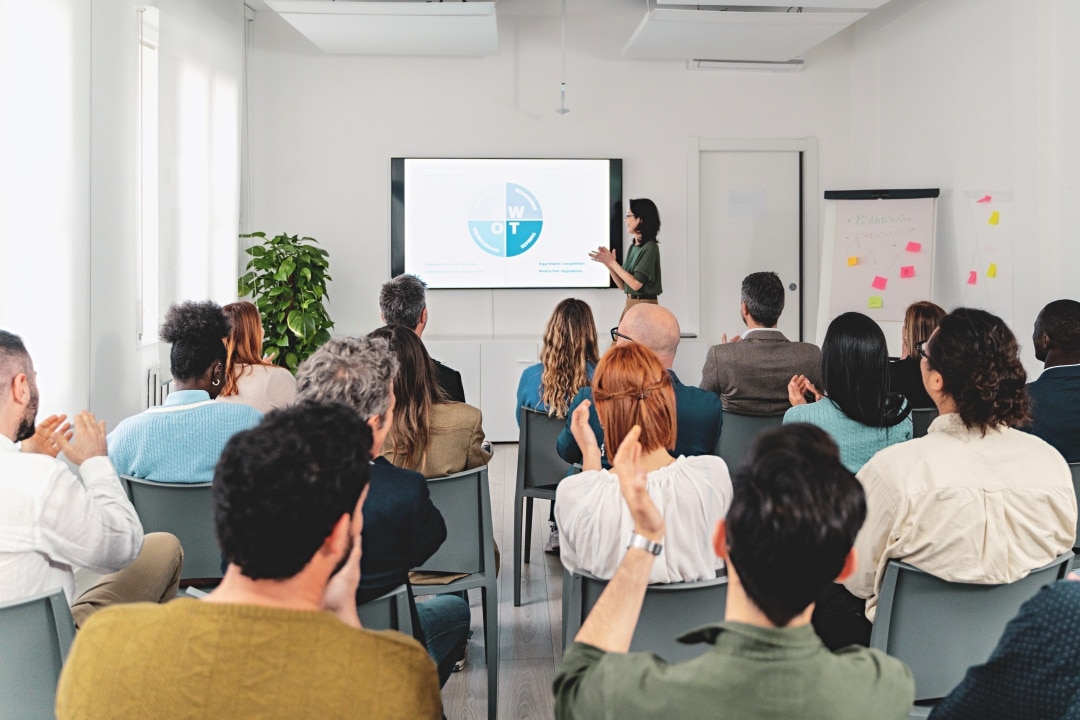
Transparent communication forms the foundation of successful community engagement by building trust, managing expectations, and providing stakeholders with accurate information necessary to make informed decisions about development projects. Effective communication strategies address both the content and delivery of information to ensure broad community understanding and participation.
Project fact sheets and information materials should present development plans, timelines, and potential impacts in clear, non-technical language that community members can easily understand. Visual materials including renderings, maps, and diagrams help communicate complex information more effectively than text-only documents.
Regular communication updates through newsletters, email lists, and social media channels keep community members informed about project progress, schedule changes, and upcoming engagement opportunities. Consistent communication prevents information vacuums that can lead to rumors and misunderstandings.
Project websites and online information portals provide centralized locations where community members can access current project information, review documents, and submit questions or comments. Online platforms enable broader participation by accommodating different schedules and communication preferences.
Public information sessions and open house events provide opportunities for community members to review project materials, ask questions, and provide feedback in informal settings. These events should be scheduled at various times and locations to accommodate different community schedules and accessibility needs.
Technical report summaries and impact analysis presentations help community members understand complex studies and assessments that support development applications. Translating technical information into accessible formats demonstrates transparency while helping stakeholders make informed decisions.
Question and answer sessions address specific community concerns while providing opportunities to correct misinformation and clarify project details. These sessions should be facilitated professionally to ensure productive dialogue while preventing confrontational situations.
Multilingual communication materials and interpretation services ensure that language barriers don’t prevent community participation in engagement activities. Understanding community demographics and providing appropriate language support demonstrates respect for diversity while enabling broader participation.
Addressing Common Community Concerns Proactively
Successful community engagement requires anticipating and addressing common concerns that arise with most large-scale development projects. Proactive approaches to these predictable issues demonstrate developer preparation while providing opportunities to build trust through responsive problem-solving.
Traffic and transportation impacts represent the most frequent community concern for large-scale developments. Addressing these concerns requires comprehensive traffic studies, mitigation strategies, and coordination with transportation authorities to develop solutions that minimize impacts while supporting project viability.
Construction noise, dust, and disruption concerns can be addressed through detailed construction management plans that specify work hours, noise control measures, and community notification procedures. Demonstrating commitment to minimizing construction impacts builds goodwill while establishing accountability mechanisms.
Infrastructure capacity and utility impacts require coordination with service providers to ensure adequate capacity while identifying upgrade requirements and funding mechanisms. Transparent discussion of infrastructure issues helps communities understand project impacts while identifying improvement opportunities.
Environmental and sustainability concerns can be addressed through green building certifications, stormwater management systems, and habitat protection measures that demonstrate environmental responsibility. Engaging environmental advocates in solution development often generates support while improving project sustainability.
Property value and neighborhood character impacts require sensitive discussion about project design, scale, and integration with existing community features. Addressing these concerns often involves design modifications that improve project compatibility while maintaining development viability.
Parking and access concerns need detailed analysis and creative solutions that balance project needs with community convenience. These solutions might include shared parking arrangements, alternative transportation options, and access improvements that benefit both the development and surrounding community.
Public safety and security issues require coordination with law enforcement and emergency services to ensure adequate service capacity while incorporating security features that address community concerns without creating fortress-like appearances.
Collaborative Planning and Design Processes
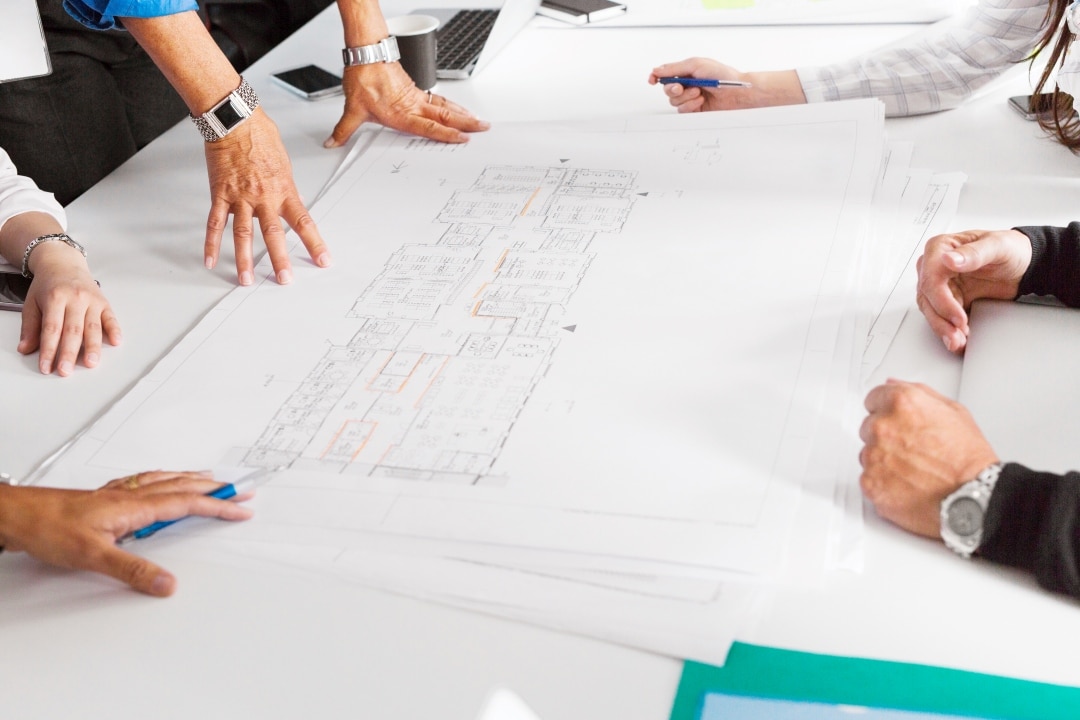
Collaborative planning approaches involve community stakeholders in project design and decision-making processes that traditionally remain internal to development teams. These collaborative approaches can improve project outcomes while building stakeholder investment in project success.
Design charrettes and community workshops bring together diverse stakeholders to explore design alternatives and develop solutions that address both development objectives and community concerns. These intensive collaborative sessions often generate creative solutions that individual planning efforts might not discover.
Advisory committee participation in design review processes provides ongoing community input while building stakeholder understanding of design constraints and trade-offs. These committees can help balance competing interests while building consensus around final design solutions.
Community benefit identification and negotiation processes help communities articulate desired improvements or amenities that development projects might provide in exchange for community support. These negotiations require balancing community wishes with project financial constraints.
Phased development planning allows communities to observe initial project phases before committing to support for later phases. This approach can build community confidence while providing developers with opportunities to demonstrate their commitment to community concerns.
Alternative design exploration through multiple concept presentations enables communities to understand different development approaches while providing input about preferred alternatives. This process helps build consensus while educating stakeholders about development constraints and opportunities.
Impact mitigation planning involves communities in identifying and developing solutions to address potential negative effects. This collaborative approach often generates more creative and acceptable solutions than developer-only mitigation planning.
Public space and amenity planning can involve communities in designing parks, plazas, and other public features that development projects might include. Community involvement in these design processes builds ownership while ensuring that public features meet community needs and preferences.
[Image URL: https://elements.envato.com/group-of-business-people-taking-a-selfie-together–HJVPLDG
Image Title: Building Community Coalition and Support Network Partnerships
Alt Text: Group of business professionals and community leaders building coalition partnerships for development project support
Caption: Building coalitions and support networks requires cultivating relationships with diverse community stakeholders who can advocate for projects and provide ongoing support throughout the development process.]
Building Coalitions and Support Networks
Successful community engagement often requires building coalitions of supporters who can advocate for projects and counterbalance opposition voices. These coalitions require careful cultivation and maintenance throughout the development process.
Business community engagement focuses on identifying economic benefits and partnership opportunities that can generate support from local employers, retailers, and service providers. Business support often carries significant weight with local officials and can provide important advocacy voices.
Labor union and workforce development partnerships can build support by demonstrating project employment benefits and training opportunities. These partnerships often generate political support while providing community economic benefits that extend beyond the immediate development.
Civic organization outreach to service clubs, religious organizations, and community groups helps identify potential supporters while building broad-based awareness about project benefits. These organizations often have established credibility and communication channels that can support project advocacy.
Educational institution partnerships can build support while providing mutual benefits such as research opportunities, student housing, or community facilities. Educational partnerships often generate positive publicity while demonstrating community investment.
Environmental group collaboration on sustainability features and green building practices can transform potential opponents into supporters while improving project environmental performance. These partnerships require genuine commitment to environmental goals rather than superficial green-washing efforts.
Municipal official relationship building helps ensure that projects have support from decision-makers while identifying potential concerns that might affect approval processes. These relationships require ongoing cultivation and demonstration of responsiveness to official concerns.
Media relationship development helps ensure accurate project coverage while providing opportunities to communicate project benefits to broader audiences. Positive media relationships can counterbalance negative coverage while building public awareness about project benefits.
Managing Opposition and Conflict Resolution
Even well-planned community engagement efforts may encounter opposition that requires careful management and conflict resolution strategies. Effective opposition management focuses on understanding concerns, finding common ground, and developing solutions that address legitimate issues while maintaining project viability.
Opposition analysis helps developers understand the sources, motivations, and influence levels of project opponents while identifying opportunities for dialogue and compromise. This analysis should distinguish between opposition based on legitimate concerns versus opposition based on fundamental objection to any development.
Direct dialogue and negotiation with opposition groups can identify specific concerns that might be addressed through project modifications or mitigation measures. These conversations require patience and genuine commitment to finding mutually acceptable solutions.
Mediation and facilitated negotiation processes can help resolve conflicts when direct dialogue proves insufficient. Professional facilitators can help parties find common ground while maintaining productive communication even when tensions are high.
Issue-specific working groups focused on particular concerns such as traffic, environment, or design can develop detailed solutions while building working relationships between developers and concerned community members. These working groups often generate technical solutions that address specific problems.
Compromise and modification strategies may require developers to adjust project plans, provide additional amenities, or implement enhanced mitigation measures to address opposition concerns. These modifications should be evaluated based on their impact on project viability and their effectiveness in building community support.
Legal and regulatory compliance emphasis helps demonstrate that projects meet all applicable requirements while addressing concerns about proper procedures and oversight. Transparency about regulatory compliance can build confidence while countering claims about inadequate review.
Timeline flexibility and staged implementation can address concerns about project scale or impacts by allowing communities to observe initial phases before later development proceeds. This approach requires careful planning but can build confidence while maintaining long-term development rights.
Maintaining Long-Term Community Relationships
Successful community engagement extends beyond project approval and construction to include ongoing relationship maintenance that supports long-term project success and developer reputation in the community. These relationships provide foundations for future projects while ensuring continued community support.
Construction period communication maintains community relationships during potentially disruptive project phases while demonstrating continued commitment to community concerns. Regular updates about construction progress, schedule changes, and impact mitigation help maintain goodwill during challenging periods.
Post-construction follow-up addresses any ongoing issues while demonstrating that developer commitments extend beyond project completion. This follow-up might include monitoring studies, additional mitigation measures, or community amenity maintenance that ensures long-term project compatibility.
Community benefit delivery ensures that promised amenities, improvements, or contributions are provided as committed during the engagement process. Following through on commitments builds trust while creating positive community associations with the developer and project.
Ongoing stakeholder engagement through periodic check-ins, surveys, or meetings helps identify emerging issues while maintaining positive relationships with community leaders and residents. This ongoing engagement provides early warning about potential problems while demonstrating continued community commitment.
Recognition and celebration of project milestones with community stakeholders helps build positive associations while acknowledging community contributions to project success. These celebrations can include grand opening events, community appreciation activities, and recognition of community partners.
Lessons learned documentation and process improvement based on each project’s community engagement experience helps developers refine their approaches while building organizational expertise in community relations. This continuous improvement demonstrates professionalism while enhancing future project success.
Future project relationship building leverages positive community relationships from successful projects to support new development initiatives. Communities that have positive experiences with developers are more likely to support future projects while providing valuable references and advocacy.
Building community buy-in for large-scale development projects requires genuine commitment to collaborative planning, transparent communication, and responsive problem-solving that addresses legitimate community concerns while maintaining project viability. The most successful developers invest significant resources in community engagement activities that begin early, continue throughout the development process, and extend beyond project completion to maintain positive long-term relationships. This comprehensive approach to community engagement transforms potential conflicts into collaborative partnerships that support successful project outcomes while building developer reputation and community trust that benefits future development activities.